Q:
What do I do in this game?
A:
Explore character sounds and combine selections while watching the darker Phase 9.5 presentation. The aim is to find an arrangement you enjoy hearing.
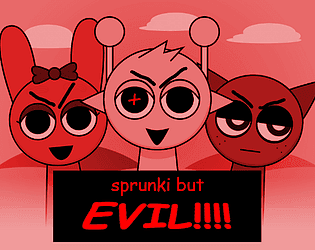
Play Sprunki Reversed Phase 9.5 in your browser.
Share Sprunki Reversed Phase 9.5






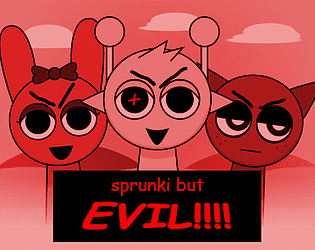
Sprunki Reversed Phase 9.5 takes the character-based music format into a darker visual setting. You explore the available sounds, listen to their combinations and watch the altered cast give the arrangement a different mood. The version name identifies this particular experiment, and you can begin without completing a numbered campaign first. A useful first session is simply to discover what each visible selection contributes. Some choices may suit the sound you are building, while others send it in a different direction. Treat those changes as opportunities to compare rather than mistakes to fix immediately. The appeal lies in hearing a familiar kind of interaction through an unfamiliar presentation. For a different rhythm challenge afterward, try Emberbeat’s musical gameplay.
Let the loading screen finish before testing controls, then click inside the play area. Follow the visible prompts and take a moment to locate the character and sound choices before building an arrangement.
Select one available part and listen before making another choice. Giving each input a moment to respond makes it easier to understand which control changes the rhythm, texture or overall mood.
Once several parts are present, listen to the combination as a whole. Decide what feels clear and what becomes crowded. Use the visible controls to keep experimenting, with fullscreen available when a larger view helps.
Wait long enough to hear the current pattern before introducing another selection. This gives your ear a clear reference.
💡If several changes blur together, return to a simpler starting combination and compare again.
Watch the character response while listening, especially when a selection seems different from what you expected.
💡Use comfortable volume and a larger view rather than making rapid inputs to force a response.
Explore character sounds and combine selections while watching the darker Phase 9.5 presentation. The aim is to find an arrangement you enjoy hearing.
You can open this version directly. Its number identifies the version being explored, so start by learning the choices visible in this game.
Begin with a small combination and listen before adding another part. Compare each change against the arrangement you already understand.
Use the visible instructions to learn the controls. The reversed theme does not establish a special keyboard layout or backward-input requirement.
Let the play area load and click inside it once. Then check the tab and device volume before trying another sound choice.
Yes. The browser version opens in the page. A larger screen can make the available character and sound controls easier to inspect.
Play Sprunki Reversed Phase 9.5 on Spunky Game at spunky.games without installing a separate application. Let the play area load, click inside it and follow the game prompts. If audio is quiet, check the tab and device volume after that first click. For another sound-focused session, explore the Monster Choir sound mixer.
The reversed Phase 9.5 theme gives the cast a darker setting. Visual differences make the session feel distinct even before you begin comparing the sound choices.
Character and sound controls let you explore an arrangement through small decisions. Listen for what a new part contributes before deciding how to continue the experiment.
You can spend time on a combination instead of rushing through instructions. Pausing between inputs helps you notice details that disappear when many choices happen together.
A sparse mix and a busier one can create very different impressions. Compare both approaches here, then explore Resonant Atlas’s musical exploration for another direction.
The darker presentation gives each sound choice another context. A short listening session can be enough to discover which parts of this version appeal to you.
You do not need to copy a finished mix. Choose a small starting point, hear what changes and let your next decision follow the sound you actually enjoy.
The format encourages patient comparison. Learning a few selections well can be more satisfying than using every available part without noticing how they interact.